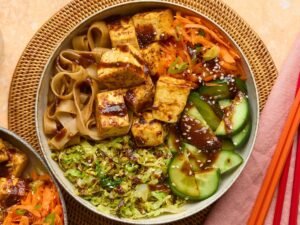
If you enjoy noodles more than rice, being told to watch your blood sugar can make meals feel much more complicated.
You may have heard that people with diabetes need to avoid noodles completely. But that is not necessarily the case. What matters is the type of noodles, portion size, ingredients, and what you eat with them.
Traditional noodles made mainly from refined wheat flour can provide a substantial amount of carbohydrates with relatively little fiber. Instead of giving up noodle dishes completely, you can try different noodle options and build a more balanced meal around them.
Here are three noodle choices worth considering: tofu noodles, 100% buckwheat noodles, and shirataki noodles.
1. Tofu Noodles
Tofu noodles are made from soybeans and can be a convenient alternative to traditional wheat-based noodles.
Depending on the product, tofu noodles can provide more protein and fewer carbohydrates than many conventional noodles. However, nutrition varies by brand, so checking the Nutrition Facts label is important.
The protein in tofu can make tofu noodles a useful addition to a balanced meal, especially when combined with vegetables and other nutrient-rich foods.
How to Eat Tofu Noodles
You do not need to prepare an elaborate recipe.
Try tofu noodles with:
- Broccoli and other vegetables
- Chicken or shrimp
- Tofu or another protein source
- Mushrooms and leafy greens
- A small amount of olive or sesame oil
- A light sauce
You can also use tofu noodles in a cold noodle salad or prepare them in a simple stir-fry.
The goal is not simply to find a noodle with fewer carbohydrates. It is to create a meal that provides a good balance of carbohydrates, protein, fiber, and healthy fats.
The carbohydrate and protein content of tofu noodles can vary by brand, so checking the nutrition label is a simple way to know what you are actually getting.
2. 100% Buckwheat Noodles
Buckwheat noodles are another option, but there is an important detail to remember.
Many products sold as buckwheat noodles contain a mixture of buckwheat and wheat flour. If you specifically want a higher-buckwheat option, check the ingredient list and look for products made with 100% buckwheat, when available.
Buckwheat provides carbohydrates, so it should not be considered a carbohydrate-free food. However, choosing a whole-grain or higher-fiber carbohydrate source can be part of a balanced eating pattern.
How to Eat Buckwheat Noodles
Buckwheat noodles can be enjoyed in both hot and cold dishes.
For example:
- Buckwheat noodles with vegetables
- Cold buckwheat noodles with cucumber
- Buckwheat noodles with grilled chicken
- Buckwheat noodles with tofu and mushrooms
- A small serving with a vegetable-rich side dish
Because buckwheat noodles still contain carbohydrates, portion size matters.
Instead of making noodles the largest part of the meal, consider using a moderate serving and filling the rest of the meal with non-starchy vegetables and a protein source.
This can make the meal more balanced without requiring you to completely give up noodles.
Keep in mind that many buckwheat noodles are made with a combination of buckwheat and wheat flour. If you want 100% buckwheat noodles, check the ingredient list before buying.
3. Shirataki Noodles
Shirataki noodles are made primarily from water and glucomannan, a type of soluble fiber derived from konjac.
They are very low in calories and carbohydrates compared with many traditional noodle products, which makes them an option some people use when they want to reduce the carbohydrate content of a meal.
However, low-calorie does not automatically mean that shirataki noodles are the best choice for everyone.
Some people enjoy their texture, while others find them different from traditional noodles.
How to Prepare Shirataki Noodles
Shirataki noodles can have a noticeable smell when they are first opened.
A simple preparation method is to:
- Drain the noodles.
- Rinse them thoroughly with water.
- Briefly blanch or boil them.
- Drain well.
- Dry them in a pan for a few minutes before adding your sauce or other ingredients.
Some people also use a small amount of vinegar when blanching them to reduce the odor.
After preparation, add vegetables and a protein source to create a more complete meal.
My Experience With These Three Noodles
I have tried all three of these noodles myself. I especially like tofu noodles because they are usually low in carbohydrates, so I don’t worry as much about the carbohydrate content when I eat them. I have also tried buckwheat noodles. Since many buckwheat noodles contain a mix of buckwheat and wheat flour, I feel they are a better choice for me than regular wheat noodles, although the nutrition can vary by product.
I tried shirataki noodles once, but the texture was not for me. They are very low in calories, but I didn’t find the chewy texture similar enough to regular noodles, so I don’t eat them anymore.
When I want to enjoy noodles, I usually choose tofu noodles or buckwheat noodles. I add plenty of cucumber and cabbage and mix everything with a spicy sauce. This is a simple way for me to enjoy noodles while adding more vegetables to the meal.
For me, adding plenty of vegetables and paying attention to portion size makes it easier to enjoy noodles as part of a balanced meal.
This is the way I personally enjoy noodles most, but everyone’s food preferences and nutritional needs are different.
Which Noodle Is Best for Blood Sugar Management?
There is no single noodle that is best for everyone. The type of noodle, portion size, and the other foods in the meal can all affect how satisfying and balanced the meal is. For more practical food ideas, see 4 Foods for Better Blood Sugar Control.
Tofu noodles, 100% buckwheat noodles, and shirataki noodles have different nutritional characteristics.
For example:
- Tofu noodles: may provide more protein and fewer carbohydrates, depending on the product.
- 100% buckwheat noodles: provide carbohydrates along with nutrients found in buckwheat, but portion size still matters.
- Shirataki noodles: are very low in calories and carbohydrates and can be useful when reducing the carbohydrate content of a meal.
Your blood sugar response can also vary depending on portion size, the rest of the meal, medications, activity level, and individual factors.
For that reason, it is better to think about the whole meal rather than looking for one noodle that will guarantee a certain blood sugar response.
The Sauce Can Matter Too
Choosing a different noodle is only part of the equation.
A noodle dish can become much less balanced when it is covered in a large amount of sugary or salty sauce.
Watch for ingredients such as:
- Added sugar
- Syrups
- Sweetened sauces
- Large amounts of sodium
- Highly processed seasonings
You do not have to eliminate sauces completely.
Instead, try using a smaller amount and add flavor with ingredients such as garlic, herbs, sesame seeds, vinegar, or a small amount of sesame or olive oil.
Add Protein and Vegetables to Your Noodles
One of the easiest ways to make a noodle meal more balanced is to add other foods.
Add Protein
Try:
- Chicken
- Shrimp
- Eggs
- Tofu
- Tempeh
- Fish
- Beans
Add Non-Starchy Vegetables
Try:
- Broccoli
- Spinach
- Cabbage
- Mushrooms
- Zucchini
- Bell peppers
- Cucumber
- Green beans
The vegetables add fiber, vitamins, minerals, and volume to the meal, while the protein can make the meal more satisfying.
Instead of a large bowl filled mostly with noodles, try making noodles one part of the meal.
How Much Noodles Should You Eat?
There is no single portion size that works for everyone with diabetes.
Your carbohydrate needs depend on your overall diet, medications, activity level, and individual health needs.
A practical approach is to start with a moderate serving rather than automatically filling a large bowl with noodles.
You can then add plenty of non-starchy vegetables and a source of protein.
If you have specific carbohydrate goals from your doctor or registered dietitian, use those recommendations when deciding how much noodle to include.
What About Regular Wheat Noodles?
You do not necessarily have to completely eliminate regular wheat noodles.
However, many refined noodle products are relatively low in fiber compared with whole-grain alternatives.
If regular noodles are your favorite, you can still make the meal more balanced by:
- Keeping the portion moderate
- Adding plenty of vegetables
- Including a protein source
- Choosing less sugary sauces
- Checking the Nutrition Facts label
The goal is not to make every meal perfect. It is to create eating habits that you can realistically maintain.
Three Simple Noodle Meals
Tofu Noodle Bowl
- Tofu noodles
- Broccoli
- Mushrooms
- Chicken or shrimp
- A small amount of sesame oil
Buckwheat Noodle Bowl
- 100% buckwheat noodles
- Cucumber
- Leafy greens
- Egg or tofu
- A light dressing
Shirataki Stir-Fry
- Shirataki noodles
- Cabbage
- Mushrooms
- Tofu or chicken
- Garlic and a small amount of sauce
These are simple combinations rather than strict recipes. You can change the vegetables and protein based on what you enjoy.
Are Noodles Completely Off-Limits for People With Diabetes?
No.
Having diabetes does not automatically mean that you have to avoid all noodles or carbohydrates.
The more useful approach is to consider what type of carbohydrate you are eating, how much you are eating, and what foods you are combining with it.
A balanced meal can include carbohydrates along with vegetables, protein, and other nutrient-rich foods.
If you monitor your blood glucose, your own readings can also help you and your healthcare professional understand how particular meals affect you.
Frequently Asked Questions
What are the best noodles for people with diabetes?
There is no single best noodle for everyone. Tofu noodles, 100% buckwheat noodles, and shirataki noodles can all be options depending on your nutritional needs, preferences, and overall meal.
Can people with diabetes eat noodles?
Yes. People with diabetes can include carbohydrates in their diet. The type and amount of carbohydrate, as well as the rest of the meal, can all matter.
Do noodles raise blood sugar?
Many noodles contain carbohydrates, so they can raise blood glucose. The amount of carbohydrate, portion size, and the foods eaten with the noodles can affect the overall response.
Are shirataki noodles good for diabetes?
Shirataki noodles are very low in calories and carbohydrates compared with many traditional noodles. They can be one option for people who want to reduce the carbohydrate content of a meal.
Are 100% buckwheat noodles better than regular noodles?
100% buckwheat noodles can provide a different nutritional profile from refined wheat noodles. However, they still contain carbohydrates, so portion size and the rest of the meal remain important.
Are tofu noodles low in carbohydrates?
Some tofu noodle products are relatively low in carbohydrates and higher in protein than traditional noodles. Because products differ, check the Nutrition Facts label before buying.
Can I eat noodles at night if I have diabetes?
The time of day is only one part of the picture. The type and amount of noodles, the rest of the meal, your activity, medications, and individual blood glucose response can all matter.
The Bottom Line
If you love noodles, a diabetes diagnosis does not necessarily mean you have to give them up completely.
Tofu noodles, 100% buckwheat noodles, and shirataki noodles can provide different ways to enjoy noodle dishes while paying closer attention to carbohydrates and overall meal balance.
But no noodle is completely “blood-sugar-free.”
The most useful habits are choosing foods thoughtfully, watching portions, adding vegetables and protein, and paying attention to sauces and added ingredients.
Instead of searching for one perfect noodle, focus on building meals that are nutritious, satisfying, and realistic enough to enjoy regularly.
Health Note
This article provides general nutrition information and is not a substitute for individualized medical advice. If you have diabetes, take insulin or other glucose-lowering medication, or have specific dietary needs, talk with your healthcare professional or a registered dietitian about your personal carbohydrate and portion goals.