

When people think about antioxidant-rich drinks, green tea is often one of the first beverages that comes to mind. Green tea contains catechins, plant compounds that have antioxidant properties.
But green tea is not the only option. Berries, cocoa, and pomegranates also contain naturally occurring plant compounds that have been studied for their antioxidant properties.
You do not need to look for a special or expensive health drink to include these foods in your routine. A berry drink, a cup of cocoa-based hot chocolate, or a small serving of pomegranate juice can all provide different plant compounds.
At the same time, it is important to look beyond the word “antioxidant.” Some packaged drinks contain significant amounts of added sugar, syrups, or other ingredients. Checking the ingredient list and Nutrition Facts label can help you make a more balanced choice.
Here are three antioxidant-rich drinks to know about and some practical ways to include them in your diet.
What Are Antioxidants?
Antioxidants are compounds that can help protect cells from oxidative damage associated with reactive molecules known as free radicals.
The body naturally produces and regulates these molecules as part of normal metabolism. However, oxidative stress can occur when the balance between reactive molecules and the body’s antioxidant defenses is disrupted.
Many fruits, vegetables, nuts, seeds, tea, and cocoa contain naturally occurring compounds with antioxidant properties.
These compounds include polyphenols, flavonoids, anthocyanins, and other plant chemicals.
However, having antioxidants in a food or drink does not mean that the food can prevent or treat a disease. Research often looks at specific biological markers, and results from these studies do not always translate into a direct health benefit for every person.
That is why it is better to think of antioxidant-rich foods and drinks as one part of an overall healthy eating pattern.
1. Berry Drinks: A Source of Anthocyanins
Blueberries, raspberries, and strawberries contain a variety of plant compounds. Dark-colored berries such as blueberries and aronia berries are particularly rich in anthocyanins.
Anthocyanins are natural pigments responsible for many of the red, purple, and blue colors found in fruits and vegetables. They are also widely studied for their antioxidant properties.
What Does the Research Say?
A 2023 review published in Antioxidants examined 28 studies investigating the relationship between berry consumption and markers of oxidative stress.
Researchers looked at several measures, including antioxidant capacity, markers of lipid oxidation, and indicators of DNA damage.
Across the studies, about 32% of the measured outcomes showed potentially beneficial changes following berry consumption. These included increases in some measures of antioxidant capacity and reductions in certain markers related to oxidation.
However, the findings should be interpreted carefully. The studies differed in the types and amounts of berries used, the length of the studies, and the way berries were consumed.
In other words, these findings support continued interest in berries and antioxidant activity, but they do not mean that drinking berry juice will automatically prevent disease or eliminate oxidative stress.
Whole Berries vs. Berry Juice
There is also an important difference between eating whole berries and drinking berry juice.
Whole berries provide fiber along with their naturally occurring plant compounds. Juice can contain many of the compounds found in fruit, but some juices contain little or no fiber.
It is also easier to drink a large amount of juice quickly than to eat the same amount of whole fruit.
If you enjoy berry juice, consider choosing a product with a high percentage of actual fruit and little or no added sugar.
Frozen berries can also be a convenient option. They can be added to plain yogurt, oatmeal, or a smoothie without requiring much preparation.
2. Hot Chocolate: Cocoa Provides Flavanols
Hot chocolate may not be the first drink people associate with antioxidants, but cocoa contains naturally occurring plant compounds called flavanols.
Flavanols are a type of flavonoid that has been studied for its potential effects on cardiovascular and metabolic health, as well as its antioxidant properties.
However, there is an important difference between cocoa and a typical cup of commercial hot chocolate.
Cocoa and Hot Chocolate Are Not the Same
Cocoa powder can provide flavanols, while many prepared hot chocolate mixes also contain added sugar, creamers, or other ingredients.
As a result, the nutritional value of hot chocolate can vary considerably from one product to another.
If you enjoy hot chocolate, check the Nutrition Facts label and ingredient list. A product with more cocoa and less added sugar may be a more practical choice.
You can also make hot chocolate at home using unsweetened cocoa powder and milk or an unsweetened milk alternative. This gives you more control over the amount of sugar added.
A Simple Way to Enjoy Cocoa
You do not have to make hot chocolate extremely sweet to enjoy it.
Try unsweetened cocoa powder with warm milk and a small amount of cinnamon. If you want additional sweetness, use a modest amount rather than relying on a heavily sweetened commercial mix.
The goal is not to turn hot chocolate into a health treatment. It is simply a way to enjoy cocoa while being mindful of the rest of the ingredients.
My Simple Hot Chocolate Habit
Personally, I drink hot chocolate with milk more often than I drink fruit juice. I like having a warm cup of hot chocolate, especially when I want something comforting but still want to pay attention to what I am drinking.
I usually prefer mixing cocoa or hot chocolate powder with milk rather than drinking a large glass of juice. I have also learned that not all hot chocolate products are the same, so I try to check the Nutrition Facts label and ingredient list. In particular, I pay attention to how much added sugar is in the product.
For me, the goal is not to make hot chocolate a “healthy drink” or to drink it for a specific health benefit. I simply enjoy it as an occasional part of my routine while being mindful of the ingredients and portion size.
That small habit has made me more aware of what is actually in the drinks I choose. Instead of choosing a beverage just because it sounds healthy, I try to look at the ingredients, added sugar, and serving size before making my choice.
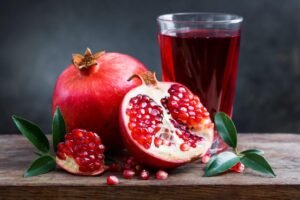
3. Pomegranate Juice: Rich in Polyphenols
Pomegranate contains several types of plant compounds, including polyphenols, anthocyanins, tannins, and flavonoids.
These compounds have attracted attention because of their antioxidant properties and their potential relationship with oxidative stress.
What Does the Research Say?
A 2022 review published in Clinical Nutrition ESPEN examined 21 studies investigating the effects of pomegranate consumption on markers of oxidative stress.
Overall, pomegranate consumption was associated with increased antioxidant capacity and higher levels of superoxide dismutase, commonly known as SOD. SOD is one of the body’s antioxidant enzymes.
Some studies also reported lower levels of malondialdehyde, or MDA, a marker associated with lipid oxidation.
These results are interesting, but they should not be interpreted as proof that pomegranate juice can treat or prevent a specific disease.
The studies used different pomegranate products, amounts, and durations, which makes it difficult to determine one ideal amount for everyone.
What About Pomegranate Juice?
Pomegranate seeds and pomegranate juice are not nutritionally identical.
Whole pomegranate seeds provide fiber, while juice contains less or no fiber depending on how it is processed.
Juice can also make it easier to consume a larger amount of fruit sugar in a short period of time.
If you choose pomegranate juice, pay attention to the serving size and look for products with little or no added sugar.
You can also enjoy pomegranate seeds in a salad, plain yogurt, oatmeal, or another meal.
Whole Fruit vs. Juice: Which Is Better?
When it comes to berries and pomegranates, choosing whole fruit more often can be a simple way to include fiber in your diet.
Whole fruit:
- Provides fiber
- Takes longer to eat
- Can be more filling
- Contains naturally occurring plant compounds
- Makes portion awareness easier for many people
Juice:
- Is convenient
- Can provide plant compounds from the original fruit
- Is easy to consume quickly
- Usually contains less fiber than whole fruit
- Can contain added sugar depending on the product
This does not mean juice has to be avoided. The key is to pay attention to the type of product, serving size, and overall diet.
How to Choose a Lower-Sugar Antioxidant Drink
A drink can contain beneficial plant compounds and still be high in added sugar.
For that reason, checking the label is one of the simplest habits you can develop.
1. Check Added Sugar
Look at the Nutrition Facts label for added sugars.
Some berry drinks and hot chocolate mixes can contain more added sugar than you might expect.
2. Look at the Serving Size
A bottle or container may contain more than one serving.
If you drink the entire container, you may consume considerably more sugar and calories than the label suggests for one serving.
3. Read the Ingredient List
Ingredients are listed by weight, from highest to lowest.
If sugar, syrup, or another sweetener appears near the beginning of the ingredient list, the product may be heavily sweetened.
4. Consider the Whole Food
When possible, compare the beverage with the whole food.
For example, whole blueberries provide fiber that a typical blueberry juice may not provide. Pomegranate seeds also provide fiber that is largely absent from juice.
5. Do Not Assume “Antioxidant” Means “Healthy”
Words such as “antioxidant” or “natural” on packaging do not tell you everything about a product.
The Nutrition Facts label and ingredient list provide more useful information about what you are actually consuming.
Simple Ways to Include These Drinks and Foods
You do not need to drink all three beverages every day.
Instead, use them occasionally and choose the form that fits your normal eating habits.
For example:
Breakfast:
Add blueberries or strawberries to plain Greek yogurt or oatmeal.
Afternoon snack:
Have a small serving of a lower-sugar berry beverage with a balanced snack.
Cold weather:
Make a simple cup of hot chocolate using unsweetened cocoa powder and milk.
With a meal:
Enjoy a modest serving of pomegranate juice if it fits your overall diet.
Whole-food option:
Add pomegranate seeds to yogurt or a salad instead of drinking juice.
The goal is variety rather than relying on one “superfood” or beverage.
When Is the Best Time to Drink These Beverages?
There is no need to believe that antioxidant-rich drinks have a special “best time” that dramatically increases their benefits.
What matters more is how the drink fits into your overall eating pattern.
A small serving of berry juice can be included with breakfast or a snack. Cocoa-based hot chocolate may be enjoyable as an occasional afternoon or evening beverage. Pomegranate juice can be consumed with a meal or snack.
If you are watching your sugar intake, having a sweetened beverage with a meal may be preferable to drinking sugary beverages throughout the day.
Most importantly, pay attention to the amount you drink rather than assuming that more is better.
Can You Get Antioxidants Without Drinking Juice?
Absolutely.
You do not need juice to get plant compounds with antioxidant properties.
Whole foods can provide a wide variety of naturally occurring compounds, including:
- Blueberries
- Strawberries
- Raspberries
- Pomegranate seeds
- Cocoa
- Green tea
- Vegetables
- Nuts and seeds
Eating a variety of plant foods is generally more useful than focusing on one specific antioxidant or beverage.
For example, adding berries to plain yogurt or oatmeal can provide fruit, fiber, and other nutrients in one simple meal.
Frequently Asked Questions
What are some antioxidant-rich drinks?
Berry drinks, cocoa-based beverages, pomegranate juice, and green tea can all provide different plant compounds with antioxidant properties.
Are berry drinks healthy?
Berry drinks can provide plant compounds such as anthocyanins, but their nutritional value depends on the product. Check the amount of added sugar, serving size, and ingredient list.
Does hot chocolate contain antioxidants?
Cocoa contains flavanols, which are plant compounds with antioxidant properties. However, many hot chocolate mixes also contain added sugar, so the ingredients and preparation method matter.
Is pomegranate juice high in antioxidants?
Pomegranate contains several plant compounds, including polyphenols and anthocyanins, that have been studied for their antioxidant properties. However, pomegranate juice should not be considered a treatment for a disease.
Is whole fruit better than fruit juice?
Whole fruit generally provides more fiber and takes longer to eat, while juice can be consumed quickly. Whole fruit can therefore be a useful everyday choice, although a modest amount of juice can also fit into a balanced diet.
Should I choose unsweetened drinks?
When possible, choosing unsweetened or lower-added-sugar beverages can help reduce unnecessary added sugar. This is particularly useful when the drink is something you consume regularly.
The Bottom Line
Berry drinks, cocoa-based hot chocolate, and pomegranate juice can provide different plant compounds with antioxidant properties.
Berries are known for anthocyanins, cocoa provides flavanols, and pomegranate contains a variety of polyphenols and other plant compounds. Research has found associations between these foods and certain markers of antioxidant activity and oxidative stress, but the evidence does not mean that these beverages are medicines or miracle drinks.
When choosing an antioxidant-rich drink, look beyond the antioxidant content. Check the added sugar, serving size, ingredient list, and overall nutritional value.
And remember that you do not have to get antioxidants from drinks alone. Whole berries, pomegranate seeds, vegetables, nuts, seeds, cocoa, and tea can all be part of a varied diet.
A simple approach is often the most practical: choose minimally processed options when possible, keep added sugar in check, and enjoy a variety of plant foods rather than relying on one particular drink.