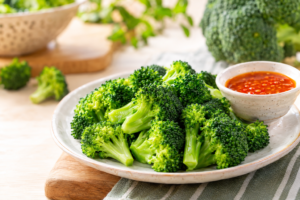
Broccoli is one of the vegetables I regularly include in my meals because it is nutritious, easy to prepare, and simple to combine with other foods.
I also like broccoli because it is relatively low in calories while providing dietary fiber and a variety of naturally occurring plant compounds. For me, it is one of those foods that is easy to keep eating as part of a regular healthy diet.
Broccoli belongs to the cruciferous vegetable family, along with cabbage, cauliflower, Brussels sprouts, and radishes. It contains compounds such as glucoraphanin, which can contribute to the formation of sulforaphane, a plant compound that has been widely studied.
However, broccoli should not be considered a miracle food. Eating broccoli does not prevent or cure cancer by itself. Overall health and cancer risk are influenced by many factors, including diet, physical activity, body weight, tobacco use, alcohol intake, and recommended health screenings.
For me, broccoli is simply one nutritious vegetable that I enjoy eating regularly.
Why Is Broccoli Considered a Healthy Vegetable?
Broccoli provides several nutrients and naturally occurring plant compounds that make it a useful addition to a balanced diet.
One of its advantages is dietary fiber, which supports normal digestion and can help make meals more filling.
Broccoli also contains vitamins and minerals, including vitamin C, vitamin K, folate, and potassium. The exact nutritional content can vary depending on the serving size and how the broccoli is prepared.
Another reason broccoli receives so much attention is its naturally occurring glucoraphanin and other compounds found in cruciferous vegetables.
Rather than focusing on one specific compound, I think of broccoli as part of a larger pattern of eating more vegetables and a variety of whole foods.
Sulforaphane and Broccoli
Sulforaphane is one of the compounds most commonly discussed when people talk about broccoli.
Broccoli contains a compound called glucoraphanin and an enzyme called myrosinase. When broccoli is cut, chewed, or otherwise damaged, these components can interact and contribute to the formation of sulforaphane.
Researchers have studied sulforaphane in connection with the body’s natural antioxidant defenses and various cellular processes.
However, research on a specific plant compound should not be interpreted as proof that eating broccoli can treat or prevent cancer.
It is more accurate to think of broccoli as a nutritious vegetable that contains interesting plant compounds and can be part of an overall healthy eating pattern.
My Experience: I Prefer Steamed Broccoli
I personally like broccoli and eat it regularly.
My favorite way to prepare it is very simple. I steam broccoli and eat it with a small amount of spicy sauce.
I prefer steamed broccoli because the texture becomes softer and easier for me to eat. When I eat broccoli raw, I tend to use more sauce, and I do not enjoy the texture as much.
Because I enjoy the softer texture, I find myself eating broccoli more often when it is lightly steamed rather than raw.
I also like that it does not require much preparation. I can wash the broccoli, cut it into bite-sized pieces, steam it briefly, and serve it with a little sauce.
For me, simple preparation makes it much easier to keep healthy foods in my regular meals.
Is Steaming Broccoli a Good Choice?
Light steaming is one practical way to prepare broccoli.
Cooking methods can affect the texture and nutritional content of vegetables. Long boiling may cause some water-soluble nutrients to move into the cooking water, while brief steaming can help broccoli retain its texture and make it easy to enjoy.
I personally prefer broccoli when it is tender but still slightly firm rather than very soft.
There is also no need to eat broccoli raw to make it part of a healthy diet. Raw broccoli can be nutritious, but some people may experience gas or bloating from raw cruciferous vegetables.
If raw broccoli does not feel comfortable, lightly cooking it may be a more enjoyable option.
The best preparation method is one that allows you to eat vegetables comfortably and regularly.
What Goes Well With Broccoli?
One of the things I like about broccoli is how easily it fits into different meals.
You can serve broccoli with:
- Eggs
- Chicken or fish
- Tofu
- Beans or lentils
- Brown rice or other whole grains
- Garlic and olive oil
- Lemon juice
- Vinegar-based dressing
- Other vegetables
I especially enjoy steamed broccoli with a small amount of spicy sauce.
If you use a prepared sauce, it is worth checking the nutrition label. Some sauces can contain a significant amount of added sugar or sodium.
A small amount of sauce can add plenty of flavor without becoming the main part of the meal.
Simple Ways to Add Broccoli to Your Meals
Broccoli does not have to be part of a complicated recipe.
You can:
- Steam it as a simple side dish.
- Add it to an omelet with eggs.
- Mix it into a grain bowl.
- Add it to a stir-fry with tofu or chicken.
- Include it in soups.
- Serve it alongside fish or other protein foods.
- Toss it with garlic and a little olive oil.
- Add lemon juice or a light dressing for extra flavor.
I find that having a few simple ways to prepare a vegetable makes it easier to eat it regularly.
Why I Keep Broccoli in My Diet
For me, the biggest advantage of broccoli is not that it is a so-called “superfood.”
It is that I actually enjoy eating it.
There are many foods with impressive nutritional profiles, but healthy eating becomes much easier when you choose foods that you genuinely like.
Broccoli works well for me because it is easy to prepare, goes with many different foods, and tastes good when lightly steamed with a little spicy sauce.
I also believe that healthy eating is more about consistency than finding one perfect food.
Eating broccoli once will not suddenly change your health. Instead, regularly choosing vegetables, fruits, whole grains, beans, nuts, and other nutritious foods can help create a more balanced eating pattern.
A Healthy Diet Is About Variety and Consistency
Rather than relying on one “superfood,” I prefer to include a variety of nutritious foods in my meals.
Broccoli can be one vegetable in that routine, but it does not need to be the only one.
Different vegetables provide different combinations of nutrients and plant compounds. Eating a variety of colorful vegetables throughout the week can make meals more interesting while helping you build a balanced diet.
If you want more ideas for antioxidant-rich vegetables, see 7 Antioxidant-Rich Vegetables for Heart Health
For me, the most realistic approach is to find healthy foods that I enjoy and make them part of my normal routine.
That is why broccoli continues to be one of the vegetables I keep coming back to.
The Bottom Line
Broccoli is a nutritious cruciferous vegetable that provides dietary fiber, vitamins, minerals, and naturally occurring plant compounds such as glucoraphanin.
Sulforaphane, which can form from compounds naturally present in broccoli, has received considerable scientific attention. However, broccoli should not be considered a treatment or a guaranteed way to prevent cancer.
I personally prefer lightly steamed broccoli with a small amount of spicy sauce because I enjoy the softer texture and find it easier to eat regularly.
For me, the real value of broccoli is simple: it is nutritious, versatile, easy to prepare, and enjoyable enough to become part of my everyday meals.
A healthy diet does not have to depend on one special food. Small, consistent choices and a variety of nutritious foods can be a more practical way to support overall health.
Health Note
Broccoli is a nutritious food, but no single food can prevent or treat cancer. Overall health is influenced by many dietary and lifestyle factors. If you have a medical condition or specific dietary needs, talk with a qualified healthcare professional about what is appropriate for you.