Water is something I used to take for granted.
I would get busy during the day, drink coffee, eat my meals, and sometimes realize in the evening that I had barely had any water.
It was easy to overlook because I did not always feel extremely thirsty.
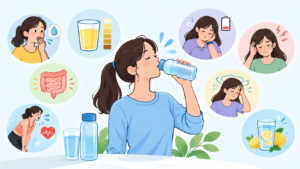
Over time, I started paying more attention to small changes in how I felt when I had not had enough fluids. Thirst, darker urine, tiredness, headaches, and constipation can all occur when the body does not have enough fluid.
However, not every symptom automatically means you are dehydrated. Poor sleep, stress, illness, medications, diet, and other factors can cause similar symptoms.
Here are 7 signs that may happen when you do not drink enough water, along with simple ways to make hydration easier throughout the day.
1. You May Feel Thirsty or Have a Dry Mouth
Thirst is one of the most obvious signs that your body may need more fluid.
You may notice that your mouth feels dry or sticky, your lips feel dry, or you simply start thinking about getting something to drink.
I do not like waiting until I am extremely thirsty before drinking water. When I get busy, it is surprisingly easy to forget about it.
What I Do
I keep water nearby so I do not have to think about finding something to drink.
Having a bottle next to me makes it easier to take a few drinks throughout the day.
You do not necessarily need to drink a large amount at once. Drinking regularly can be a simpler habit to maintain.
2. Your Urine May Become Darker
Your urine can provide another clue about your hydration.
When your body does not have enough fluid, your kidneys conserve water and produce less urine. Your urine may then become darker and more concentrated.
Pale yellow urine is often associated with adequate hydration, but urine color is not a perfect measurement. Certain foods, vitamins, supplements, and medications can also change urine color.
What I Pay Attention To
Instead of looking at urine color alone, I consider it together with other signs, such as thirst and how I feel during the day.
If my urine is noticeably darker than usual and I have not been drinking much, it is a good reminder for me to pay more attention to my fluid intake.
3. You May Feel Tired or Weak
Feeling tired does not always mean you need more water.
Lack of sleep, stress, not eating enough, illness, and many other factors can leave you feeling exhausted.
However, not getting enough fluids can also contribute to fatigue or weakness.
When I am tired during the day, I try not to assume that one thing is responsible. I think about whether I have slept well, eaten normally, and had enough fluids.
A Simple Habit
If I realize that I have gone several hours without drinking, I have some water and continue drinking regularly throughout the day.
The goal is not to force myself to drink huge amounts. It is simply to avoid routinely going long periods without fluids.
4. You May Have a Headache or Trouble Concentrating
Some people experience headaches or difficulty concentrating when they are not adequately hydrated.
You might find it harder to focus on work, studying, or everyday tasks.
But this is one area where it is especially important not to jump to conclusions. Headaches and trouble concentrating can have many causes, including stress, hunger, poor sleep, illness, and certain medications.
What I Try
If I notice a headache or feel unusually unfocused, I consider the bigger picture.
Have I slept enough?
Have I eaten?
Have I been under stress?
Have I had much water today?
Drinking some water is a reasonable step if I have not had much fluid, but persistent or severe headaches should not simply be blamed on dehydration.
5. You May Become Constipated
Water and fiber both play a role in maintaining normal bowel movements.
When you are not getting enough fluid, your stool can become harder, which may contribute to constipation.
This is one reason I do not think about hydration separately from food. Drinking regularly while eating a variety of fiber-rich foods makes more sense to me than focusing on water alone.
Good sources of dietary fiber include:
-
Fruits
-
Vegetables
-
Beans
-
Whole grains
-
Nuts
-
Seeds
What I Find Helpful
I try to drink regularly throughout the day and include fiber-rich foods in my meals.
If you are increasing your fiber intake, increasing fluids gradually can also be helpful. A sudden large increase in fiber without enough fluid may make some people feel more uncomfortable.
6. Your Physical Performance May Decline
You lose water through sweat when you exercise, especially during prolonged or intense activity or when the weather is hot.
If you do not replace some of those fluids, dehydration can make physical activity feel more difficult.
You may notice:
-
Lower endurance
-
Weakness
-
Dizziness
-
Feeling unusually tired
-
A faster-than-normal heartbeat
I have noticed that staying hydrated becomes more important when I am active or spending time outside in warm weather.
What I Do
I try to drink fluids before and after exercise and pay attention to how much I am sweating.
There is not one exact amount that everyone needs. Your fluid needs can change depending on your activity, the temperature, how much you sweat, your diet, and your individual circumstances.
7. You May Feel Dizzy or Lightheaded
Dizziness or lightheadedness can occur with more significant dehydration.
Some people may notice it particularly when standing up.
However, dizziness can have many possible causes, so it should not automatically be blamed on dehydration.
Confusion, fainting, inability to keep fluids down, very little or no urination, or other severe symptoms require prompt medical attention.
If you are experiencing ongoing dizziness, do not assume that drinking more water will necessarily solve the problem. A healthcare professional can help determine what may be causing it.
How Much Water Do You Need?
There is not one exact amount of water that everyone should drink every day.
Your fluid needs can vary depending on your:
-
Age
-
Body size
-
Physical activity
-
Climate and temperature
-
Diet
-
Pregnancy or breastfeeding
-
Illness or fever
-
Medications
-
Overall health
And water is not the only source of fluid.
Other beverages and foods with a high water content, such as fruits, vegetables, soups, and yogurt, can also contribute to your overall fluid intake. National Academies guidance also treats water from beverages and food as part of total water intake.
That is why I do not find it particularly helpful to focus on one rigid number every day.
Some days I need more fluids than others, especially when I am more active or the weather is hot.
When Should You Pay More Attention to Hydration?
There are times when your body may lose fluids more quickly than usual.
When You Exercise or Sweat Heavily
Physical activity increases fluid loss through sweating.
Pay more attention to your fluid intake when you are exercising for a longer period or sweating more than usual.
When You Spend Time in Hot Weather
Heat can increase sweating and fluid loss, particularly when you are outdoors for an extended period.
When You Have a Fever or Lose Fluids From Illness
Fever, vomiting, or diarrhea can increase fluid loss.
These situations can be more serious than ordinary thirst, so following medical advice is important if symptoms are significant or persistent.
When You Are More Physically Active Than Usual
If your normal routine changes and you are exercising more or doing physically demanding work, your fluid needs may also change.
The important thing is to replace fluids appropriately rather than assuming that everyone needs exactly the same amount.
What Can Make You Lose More Water?
Your body may need more fluids in certain situations because you can lose water faster than usual.
Hot weather, exercise, sweating, fever, vomiting, and diarrhea can all increase the risk of dehydration.
For example, I try to pay more attention to drinking fluids when I am outside on a hot day or after being physically active.
Vomiting and diarrhea are different because they can cause you to lose both fluids and electrolytes. If these symptoms are severe or continue, it is important to pay attention to signs of dehydration and seek medical advice when needed.
Can You Get Enough Water From Food?
Water does not come only from the glass you drink.
Foods such as watermelon, strawberries, oranges, cucumbers, tomatoes, soups, and yogurt also contain water and can contribute to your overall fluid intake.
I like thinking about hydration this way because drinking water is not the only way to contribute to my daily fluid intake.
Eating fruits and vegetables regularly can also provide fluids while adding fiber and other nutrients.
Still, water and other beverages remain important sources of fluid, especially when you are exercising, sweating, or spending time in hot weather.
Water-rich foods can complement your regular fluid intake rather than replacing all beverages.
Simple Ways to Stay Hydrated
Drinking enough water does not have to become another complicated health goal.
A few small habits can make it easier.
Keep Water Within Reach
I find it easier to drink water when I do not have to go looking for it.
Keep a reusable bottle nearby at work, at home, or when you are out.
Drink With Meals
Having water with breakfast, lunch, and dinner is an easy way to make drinking fluids part of your normal routine.
Drink Around Exercise
Pay attention to your fluid needs before, during, and after longer or more intense physical activity.
Eat Water-Rich Foods
Fruits and vegetables can contribute to your overall fluid intake while also providing vitamins, minerals, and fiber.
Some examples include:
-
Watermelon
-
Strawberries
-
Oranges
-
Cucumbers
-
Tomatoes
-
Lettuce
Do Not Wait Until the End of the Day
One habit I have tried to avoid is realizing at night that I have not had enough water all day and then trying to drink a large amount at once.
It is much easier for me to drink smaller amounts regularly.
What If You Feel Thirsty All the Time?
Occasional thirst is normal, particularly after exercise, in hot weather, or when you have gone a while without drinking.
However, persistent or excessive thirst can have causes other than simply not drinking enough water.
If you are constantly thirsty or urinating much more often than usual, especially if these changes are new or persistent, it is worth discussing them with a healthcare professional.
Do not assume that drinking increasingly large amounts of water is always the answer.
My Personal Experience With Drinking More Water
I used to think I would automatically know when I needed more water because I would feel thirsty.
Over time, I realized that it is easier for me to stay hydrated when I make drinking water part of my regular routine instead of waiting until I feel thirsty or trying to drink a lot at the end of the day.
I usually keep a bottle of water nearby and try to drink throughout the day, especially when I am busy or more physically active.
This simple habit makes it easier for me to remember to drink water regularly.
I have also noticed that I feel more comfortable throughout the day when I pay attention to my fluid intake. These are my personal observations, so I do not assume that everyone will experience the same changes.
I do not see water as a cure for every health problem.
For me, the biggest benefit has been that making water a regular part of my routine has encouraged me to pay more attention to my overall eating habits and lifestyle.
The biggest lesson I have learned is that staying hydrated does not have to be complicated.
Small habits are easier for me to maintain than trying to drink a large amount of water all at once.
Simply keeping water nearby and drinking it regularly has made hydration feel much more manageable.
Is Drinking More Water Always Better?
Not necessarily.
The goal is not to drink as much water as possible.
Drinking excessive amounts of water can also be harmful because it can disturb the body’s fluid and electrolyte balance.
Instead, focus on replacing fluids lost during normal daily activities and adjusting your intake when you are more active, sweating heavily, or in hot conditions.
If a healthcare professional has told you to restrict fluids because of a medical condition or medication, follow that advice rather than increasing your water intake on your own.
7 Simple Hydration Habits to Remember
-
Keep water nearby.
-
Drink regularly instead of waiting until you are extremely thirsty.
-
Have water with meals.
-
Pay more attention to fluids when you exercise or sweat.
-
Eat fruits and vegetables that contain water.
-
Pay attention to changes such as darker urine or unusual thirst.
-
Do not force yourself to drink excessive amounts of water.
The goal is not perfection. A few simple habits repeated throughout the day can make staying hydrated easier.
FAQ
1. What are the signs that you may not be drinking enough water?
Possible signs include thirst, dry mouth, darker urine, tiredness, headaches, constipation, dizziness, and reduced physical performance. However, these symptoms can have many other causes, so they do not automatically mean you are dehydrated.
2. Is dark yellow urine always a sign of dehydration?
Not necessarily. Urine can become darker when you are not getting enough fluid, but foods, vitamins, supplements, and medications can also change urine color.
3. How much water should I drink each day?
There is no single amount that is appropriate for everyone. Fluid needs vary with factors such as activity, temperature, body size, diet, illness, pregnancy, medications, and overall health.
4. Can fruits and vegetables help with hydration?
Yes. Many fruits and vegetables contain a substantial amount of water and can contribute to total fluid intake. They should complement, rather than necessarily replace, your usual beverages.
5. Is coffee included in my daily fluid intake?
Coffee and other beverages contribute to total fluid intake. However, if caffeine affects your sleep, anxiety, or how you feel, you may want to limit your intake or choose lower-caffeine options.
6. Can not drinking enough water cause constipation?
Not getting enough fluid can contribute to harder stools, and adequate fluid intake is one part of maintaining normal bowel habits. Fiber, physical activity, and overall diet also matter.
7. Can dehydration cause headaches?
Some people may experience headaches when they are not adequately hydrated. However, headaches have many possible causes, so persistent or severe headaches should not automatically be attributed to dehydration.
8. What should I do if I am thirsty all the time?
Occasional thirst is normal, but persistent or excessive thirst may have causes other than simply not drinking enough water. If it continues or occurs along with other unusual symptoms, talk with a healthcare professional.
9. Can you drink too much water?
Yes. Drinking excessive amounts can disturb the body’s fluid and electrolyte balance. The goal is not to drink as much water as possible, but to meet your body’s needs appropriately.
10. What is the easiest way to drink more water?
For me, keeping a reusable bottle nearby is one of the easiest habits. Drinking with meals and taking small amounts throughout the day can also make hydration feel more manageable.
Final Thoughts
Not drinking enough water can sometimes show up as thirst, darker urine, tiredness, headaches, constipation, or other changes.
But these symptoms can have many different causes, so they should not automatically be blamed on dehydration.
For me, the easiest way to stay hydrated is to keep water nearby and drink regularly instead of trying to catch up at the end of the day.
The goal is not to force yourself to drink as much water as possible.
Pay attention to your thirst, activity level, the weather, your diet, and your overall health.
Small, consistent habits can make hydration easier without turning it into another complicated health goal.
Disclaimer: This article is for general informational purposes only and is not medical advice. If you have persistent symptoms, severe dizziness, confusion, fainting, very little or no urination, or a medical condition that affects your fluid needs, talk with a healthcare professional.
Sources
-
National Academies of Sciences, Engineering, and Medicine — Dietary Reference Intakes for Water
-
Centers for Disease Control and Prevention (CDC) — Hydration and Healthy Eating
-
National Institute of Diabetes and Digestive and Kidney Diseases (NIDDK) — Dehydration and Fluid Balance
1 thought on “7 Signs You May Not Be Drinking Enough Water”