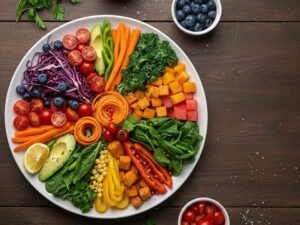
Eating more vegetables is one of the simplest ways to improve the overall quality of your diet. Vegetables provide fiber, vitamins, minerals, and a variety of plant compounds that can support heart health.
Some vegetables are especially rich in antioxidant compounds. Adding a mix of colorful vegetables to lunch and dinner can be an easy way to make everyday meals more nutritious.
Here are seven antioxidant-rich vegetables that are easy to find and simple to add to regular meals.
1. Spinach
Spinach is an easy leafy green to include in everyday meals. It provides folate, vitamin C, vitamin K, fiber, and carotenoids such as lutein and beta-carotene.
These plant compounds have antioxidant properties and are part of what makes leafy greens a useful addition to a balanced diet.
You do not need a large serving to enjoy spinach. A handful can easily be added to a meal.
Easy ways to eat spinach
- Add fresh spinach to eggs or an omelet
- Mix it into soup
- Use it as a salad base
- Add it to a grain or bean bowl

2. Broccoli
Broccoli provides vitamin C, fiber, folate, and several plant compounds, including glucosinolates.
It is also a convenient vegetable because it can be steamed, roasted, or added to soups and other dishes.
For a simple side dish, try roasting broccoli with a small amount of olive oil and herbs rather than covering it with a heavy sauce.
Easy ways to eat broccoli
- Steam it as a side dish
- Roast it with olive oil and herbs
- Add it to a grain bowl
- Mix it with beans, tofu, chicken, or fish
3. Red Bell Peppers
Red bell peppers are naturally sweet and provide plenty of vitamin C along with carotenoids and other plant compounds.
Their bright red color is also a simple reminder that eating different-colored vegetables can help add variety to your diet.
They can be eaten raw or cooked, making them especially convenient for lunch.
Easy ways to eat red bell peppers
- Slice them into a salad
- Add them to a sandwich or wrap
- Roast them with other vegetables
- Eat them with hummus
4. Tomatoes
Tomatoes provide vitamin C, potassium, fiber, and several plant compounds. One of the best-known compounds in tomatoes is lycopene, a carotenoid responsible for much of their red color.
Lycopene has antioxidant properties and has been studied in relation to cardiovascular health.
Tomatoes are also easy to use throughout the day. Fresh tomatoes work well in salads, while cooked tomatoes can be added to soups, sauces, and egg dishes.
Easy ways to eat tomatoes
- Add sliced tomatoes to a salad
- Mix them into beans or whole grains
- Add tomatoes to eggs
- Use cooked tomatoes in soups or stews
5. Carrots
Carrots are well known for their beta-carotene content. Beta-carotene is a carotenoid that the body can convert into vitamin A.
Carrots also add natural sweetness and crunch to meals without requiring a complicated preparation.
Try eating them raw, roasted, or added to soups.
Easy ways to eat carrots
- Add shredded carrots to a salad
- Roast carrots as a dinner side
- Add them to soups and stews
- Eat carrot sticks with hummus
6. Red Cabbage
Red cabbage gets its deep purple-red color from plant pigments called anthocyanins.
Anthocyanins are antioxidant compounds found in many colorful fruits and vegetables. Red cabbage also provides fiber and vitamin C.
A small amount of shredded red cabbage can add color, crunch, and variety to an otherwise simple meal.
Easy ways to eat red cabbage
- Add shredded cabbage to a salad
- Mix it into a vegetable bowl
- Combine it with carrots and bell peppers
- Lightly sauté it as a dinner side
7. Sweet Potatoes
Sweet potatoes provide beta-carotene, fiber, potassium, and other nutrients.
Their naturally sweet flavor makes them an easy alternative to some highly processed side dishes. A whole baked or roasted sweet potato can be paired with protein and vegetables to make a satisfying meal.
How you prepare sweet potatoes matters. Adding large amounts of sugar, butter, or salt can change the nutritional balance of the meal.
Easy ways to eat sweet potatoes
- Bake a whole sweet potato
- Add roasted pieces to a salad
- Serve them with beans and leafy greens
- Pair them with fish, chicken, or tofu
Why Do Antioxidants Matter for Heart Health?
Antioxidants are compounds that help protect cells from oxidative stress. Vegetables contain many different antioxidant compounds, including vitamin C, carotenoids, and polyphenols.
However, it is important not to think of one antioxidant or one vegetable as a treatment for heart disease.
Heart health is influenced by many factors, including overall diet, physical activity, blood pressure, cholesterol levels, sleep, smoking, and other individual factors.
For that reason, eating a variety of vegetables is generally more useful than focusing on one “superfood.”
Why Eating Different Colors Matters
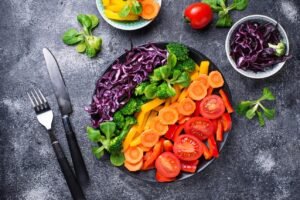
One simple way to add variety to your diet is to look at the colors on your plate.
For example:
- Green: spinach and broccoli
- Red: tomatoes and red bell peppers
- Purple: red cabbage
- Orange: carrots and sweet potatoes
Different colors often indicate different plant compounds and nutrients.
You do not need to make every meal colorful. Instead, try rotating vegetables throughout the week. One day you might have spinach and tomatoes, while another meal could include broccoli and carrots.
The goal is variety rather than perfection.
How to Build a Heart-Healthy Plate
Adding vegetables to a meal is only one part of a heart-healthy eating pattern.
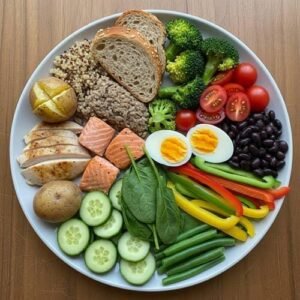
A simple way to build a balanced plate is to include:
- About half the plate with vegetables
- A protein source such as beans, fish, tofu, eggs, or lean poultry
- A source of whole grains or another nutritious carbohydrate
- A small amount of healthy fat, such as olive oil, nuts, or seeds
The exact amounts can vary depending on your individual needs.
For example, a simple dinner could include roasted broccoli, a baked sweet potato, and grilled fish. Another meal might combine spinach, tomatoes, beans, and whole-grain bread.
This approach makes vegetables part of a complete meal instead of treating them as something you have to eat separately.
Simple Lunch and Dinner Ideas
You can use these vegetables without following complicated recipes.
Lunch
Try a bowl with spinach, tomatoes, red bell peppers, beans, and a whole grain.
Dinner
Combine roasted broccoli and sweet potato with fish, chicken, tofu, or beans.
Quick meal
Add spinach and tomatoes to eggs, then serve them with whole-grain toast and a side of carrots.
These simple combinations can make it easier to eat vegetables regularly.
My Simple Vegetable Habit
I do not try to make complicated vegetable dishes every day.
Instead, I find it easier to keep a few basic vegetables available and add them to meals I already enjoy.
A handful of spinach can go into eggs, tomatoes are easy to add to lunch, and broccoli or sweet potatoes can become a simple dinner side.
This makes eating vegetables feel more like part of my normal routine rather than another task I have to plan.
I also like having vegetables that can be prepared in different ways. If I do not feel like making a salad, I can roast vegetables instead. Small choices like this make it easier to keep the habit going.
Do You Need to Eat All Seven Vegetables?
No.
You do not need to eat all seven vegetables every day.
What matters more is eating a variety of vegetables regularly. Rotating different colors and types throughout the week can give your diet a wider range of nutrients and plant compounds.
Fresh vegetables are convenient when available, but frozen vegetables can also be useful. Canned vegetables can fit into a healthy diet as well. If you buy canned vegetables, checking the Nutrition Facts label for sodium is a helpful habit.
Whole Vegetables vs. Vegetable Juice
Whole vegetables generally provide more fiber than vegetable juice.
Fiber is one reason whole vegetables can be a useful part of a balanced diet. Juicing can also make it easier to consume a larger amount of vegetables quickly.
For everyday meals, eating vegetables in their whole form is a simple way to get their fiber along with their other nutrients.
Common Mistakes to Avoid
1. Focusing on one “superfood”
No single vegetable provides every nutrient your body needs. Variety is more useful than relying on one food.
2. Adding too much salt or heavy sauce
Vegetables can be nutritious, but large amounts of sodium, butter, or heavy sauces can add calories and sodium to an otherwise simple meal.
3. Only eating vegetables at dinner
Vegetables can also be included at breakfast and lunch. Adding small amounts throughout the day can make your overall intake more consistent.
4. Thinking antioxidants replace healthy habits
Antioxidant-rich vegetables are part of a healthy eating pattern. They do not replace regular physical activity, adequate sleep, not smoking, or medical care when needed.
Frequently Asked Questions
Which vegetable is best for heart health?
There is no single best vegetable for everyone. Spinach, broccoli, tomatoes, red bell peppers, carrots, red cabbage, and sweet potatoes provide different nutrients and plant compounds.
Eating a variety of vegetables is a better approach than relying on one particular vegetable.
Are cooked vegetables still healthy?
Yes. Cooking can change some nutrients, but cooked vegetables can still be an important part of a healthy diet.
Choose cooking methods that do not require excessive amounts of salt, added sugar, or unhealthy fats.
Are frozen vegetables healthy?
Yes. Frozen vegetables can be a convenient option, especially when fresh vegetables are not available.
Check the ingredient list and choose products without unnecessary added ingredients when possible.
How many vegetables should I eat each day?
Individual needs vary, but dietary guidance generally encourages adults to eat a variety of vegetables as part of a balanced diet.
Instead of worrying about reaching a perfect number every day, focus on gradually adding more vegetables and choosing different types throughout the week.
Can vegetables lower cholesterol?
Some vegetables provide soluble fiber and other nutrients that can support a heart-healthy eating pattern. However, vegetables should not be viewed as a replacement for prescribed treatment for high cholesterol.
If you have high cholesterol, talk with your healthcare professional about the diet, exercise, and treatment plan that is appropriate for you.
For more antioxidant-rich vegetable ideas, see Kohlrabi & Asparagus
The Bottom Line
Spinach, broccoli, red bell peppers, tomatoes, carrots, red cabbage, and sweet potatoes are seven nutritious vegetables that provide antioxidants, fiber, vitamins, minerals, and other plant compounds.
You do not need complicated recipes or a perfect diet to include them. Adding one or two vegetables to lunch or dinner is a simple place to start.
Try choosing different colors throughout the week and pairing vegetables with a protein source, whole grains, and a small amount of healthy fat.
The goal is consistency. A varied diet that includes plenty of vegetables, regular physical activity, and other healthy lifestyle habits can help support long-term heart health.
Health Note
This article is for general educational purposes and does not diagnose, treat, or prevent heart disease. If you have heart disease, high cholesterol, high blood pressure, diabetes, kidney disease, or another medical condition, your dietary needs may be different. Speak with your healthcare professional for personalized advice.
Sources
- National Institutes of Health — Office of Dietary Supplements
- U.S. Department of Agriculture — FoodData Central
- American Heart Association — Healthy Eating for Heart Health